
Reptiles
Ball Python Care Guide for Beginners
Master the basics of keeping a healthy Ball Python: enclosure setup, diet, humidity, and safe handling.
Read guide →
Simple, honest advice for new pet owners. Find your pet below and learn exactly what it needs to be happy and healthy.
Browse All Guides Master the basics of keeping a healthy Ball Python: enclosure setup, diet, humidity, and safe handling.
Read guide →
Lighting, temperature gradients, and a balanced omnivorous diet for a thriving Bearded Dragon.
Read guide →
Tank setup, heating, and feeding essentials for a healthy, docile Leopard Gecko.
Read guide →
Ideal temperatures, specialized diets, and handling advice for these arboreal reptiles.
Read guide →
A beginner-friendly snake: enclosure, temperature gradient, feeding, and handling basics.
Read guide →
Housing, substrate, diet, and enrichment for a healthy Blue Tongue Skink.
Read guide →
Setup, feeding, and temperament tips for the charismatic Hognose Snake.
Read guide →
Tank size, water quality, basking, and diet for a healthy Red Eared Slider.
Read guide →
Enclosure, lighting, and a high-fiber diet for a long-lived Russian Tortoise.
Read guide →
General tortoise care: housing, UVB lighting, diet, and health basics.
Read guide →
Space, heat, and grass-based diet for the fast-growing Sulcata Tortoise.
Read guide →
Why bowls are not enough: tank, heater, filtration, and diet for a healthy Betta.
Read guide →
Tank setup, water parameters, and feeding for Fighter Fish (Betta).
Read guide →
Proper tank size, filtration, and diet to keep Goldfish healthy long-term.
Read guide →
Easy community fish: tank setup, water parameters, breeding, and diet.
Read guide →
Beginner guide to keeping colorful, hardy Guppy Fish.
Read guide →
Tank height, water quality, tankmates, and diet for graceful Angelfish.
Read guide →
Cage size, enrichment, and nutrition for a happy, healthy hamster.
Read guide →
Space, hay-based diet, and housing essentials for pet rabbits.
Read guide →
Beginner bunny care: housing, diet, handling, and health.
Read guide →
Temperature, enclosure, and diet needs for a pet hedgehog.
Read guide →
Cavy (guinea pig) housing, vitamin C needs, and social care.
Read guide →
Cool temperatures, dust baths, and diet for a healthy Chinchilla.
Read guide →
Vitamin C, social needs, and cage setup for happy Guinea Pigs.
Read guide →
Caring for multiple Guinea Pigs: housing, diet, and companionship.
Read guide →
Skin and sun care, temperature sensitivity, diet, and grooming for the Peruvian Inca Orchid.
Read guide →
Exercise, diet, training, and health basics for the Pocket Bully.
Read guide →
Tank setup, water parameters, and diet for these unique aquatic amphibians.
Read guide →
Social needs, diet, and enclosure essentials for Sugar Gliders.
Read guide →
Enclosure, humidity, feeding, and safe handling for pet Tarantulas.
Read guide →
Humidity, substrate, shells, and diet for healthy Hermit Crabs.
Read guide →
Diet, housing, enrichment, and health basics for playful Ferrets.
Read guide →
Small enclosure, feeding, and care for charismatic Jumping Spiders.
Read guide →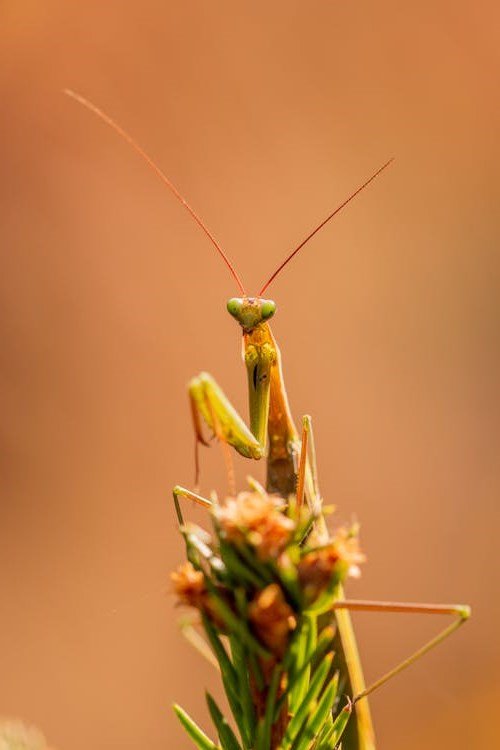
Enclosure, humidity, and feeding for a pet Praying Mantis.
Read guide →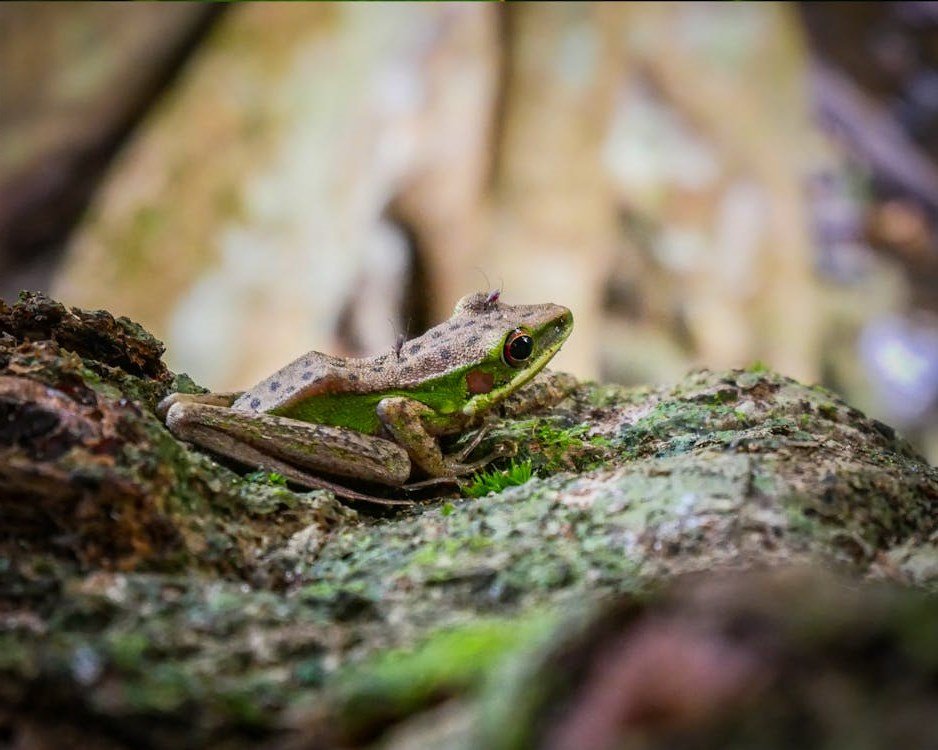
Substrate, humidity, and feeding for the sedentary Pacman Frog.
Read guide →Every guide here tells you the truth about what your pet really needs. Not what is easiest to sell — what actually works.