
Pacman Frog Care Guide for Beginners
Substrate, humidity, temperature, and feeding for the sedentary, voracious Pacman Frog — one of the easiest amphibians to keep as a pet.
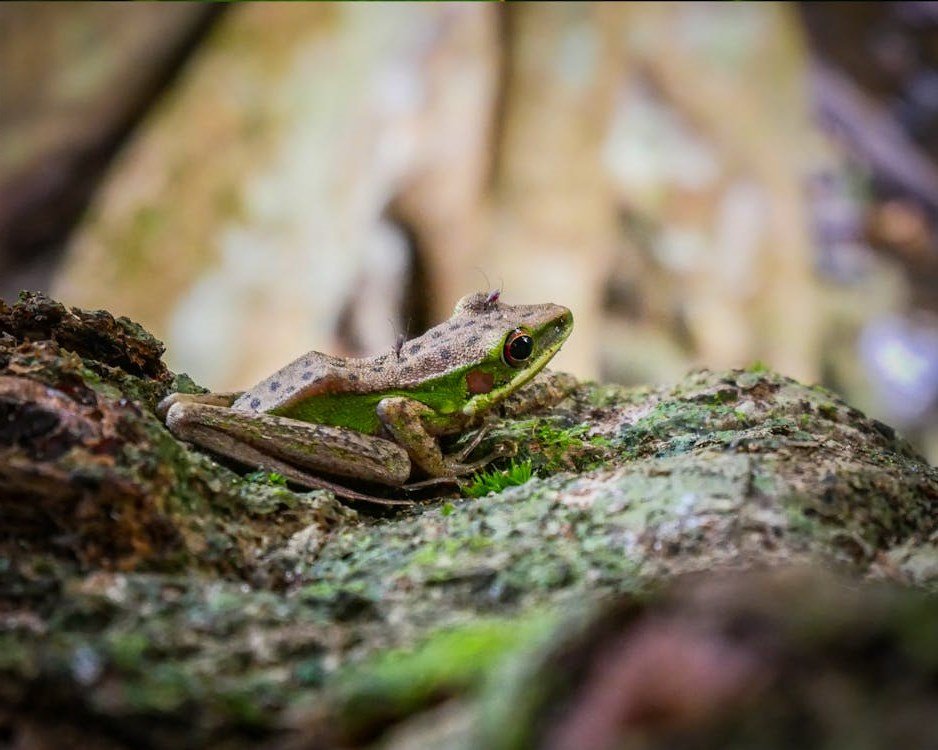
Overview
The Pacman Frog is named after the classic video game character. It is round. It has a huge mouth. It will try to eat almost anything that moves near it.
These frogs from South America are one of the easiest amphibians to keep. They sit in one spot and wait for food to walk by. They do not need large tanks, daily feeding, or complex care.
Adults grow to 4–7 inches wide. Females are much larger than males. They can live 10–15 years.
Habitat & Housing
Pacman Frogs do not move much. They spend most of their time buried in substrate up to their eyes, waiting for prey.
Tank size:
- Adult male: 10-gallon tank
- Adult female: 20-gallon tank
- Juvenile: a 5-gallon tank works well
Substrate is the most important part of the setup. The frog buries itself to stay moist and hunt. Use coconut fiber (eco earth) at least 4–6 inches deep. Keep it moist — not soaking wet, not dry. Squeeze a handful and a few drops should come out.
Temperature:
| Zone | Target |
|---|---|
| Ambient | 75–82°F |
| Night minimum | 65°F |
Use a low-wattage heat mat on the side wall (not the bottom — the frog sits on the bottom and can overheat). Always use a thermostat with the heat mat.
Humidity: Keep it at 60–80%. Mist lightly every 1–2 days. Use a hygrometer to check.
Water dish: A shallow dish big enough for the frog to soak in. The water must be dechlorinated. Change it every 2 days.
Diet & Feeding
Pacman Frogs will eat almost anything they can fit in their mouth. They are sit-and-wait hunters. They do not chase prey — prey must walk close to them.
Best foods:
- Crickets — great for juveniles and adults
- Dubia roaches — move slowly, excellent nutrition
- Earthworms — can be offered with tongs
- Pinky mice — for large adult females only, once or twice a month
Keep prey size no wider than the frog’s head. Pacman Frogs are very ambitious and will try to eat things that are too big.
Feeding schedule:
| Age | How Often |
|---|---|
| Juvenile (under 3 inches) | Every other day |
| Sub-adult | 2–3 times per week |
| Adult | 1–2 times per week |
Supplements: Dust prey with calcium + D3 powder at every feeding for juveniles. For adults, dust 2–3 times per week.
Health & Common Issues
A healthy Pacman Frog looks plump and round. Its skin is smooth and moist. Its eyes are bright and alert.
Toxic Out Syndrome (TOS) is the most serious emergency. The frog becomes limp and unresponsive. It may discharge mucus. This is caused by tap water without dechlorinator or a very dirty tank. Place the frog in clean dechlorinated shallow water right away and call a vet.
Bacterial infections cause red or discolored skin and loss of appetite. Usually caused by dirty water or substrate. A vet visit and antibiotics are needed.
Impaction happens when the frog swallows substrate. Keep the substrate moist so it clumps and does not dry into sandy pieces. This is why coconut fiber works better than loose sand.
Handling & Temperament
Pacman Frogs are not pets you handle often. They are display pets — fascinating to watch.
They will bite. Their jaws are strong for a frog. A large adult female can draw blood. Always respect this.
When you do handle them:
- Wet your hands first — dry hands damage their skin
- Keep sessions very short (2–3 minutes)
- Wash your hands before and after — no soap residue, lotion, or salt on your skin
Cost & Commitment
| Item | Cost |
|---|---|
| Pacman Frog (captive-bred) | $20–$50; rare color morphs $50–$200 |
| 10–20 gallon tank | $30–$80 |
| Substrate | $10–$20 |
| Monthly prey insects | $10–$20 |
Lifespan: 10–15 years.
Frequently Asked Questions
Are Pacman Frogs good for beginners?
Yes. They are one of the best beginner amphibians. The tank is small. Feeding is simple. They need no UVB lighting. They are very hardy when their humidity and temperature are correct.
My Pacman Frog bit me. Do I need a doctor?
A bite is painful but not dangerous. Pacman Frogs have no venom. Wash the area with soap and water. Watch for unusual swelling, which is very rare.
Why is my Pacman Frog not eating?
The most common cause is temperature. If the tank is below 72°F, the frog slows down and stops eating. Check your heat mat and thermostat first. Frogs also stop eating just before they shed their skin — this is normal.
How do I tell male from female?
Males are smaller and make a short barking sound. Females are larger and heavier. Males reach adult size around 6 months. Females take 12–18 months to fully grow.